

The truth is: no matter how many TikToks you have watched about living in Spain, or how many Duolingo streaks you’ve kept going, nothing quite prepares you for actually ‘living’ here.
I came from the UK expecting sunshine, sangria and maybe a few awkward attempts at ordering in Spanish. But what I didn’t expect were all the small, funny and sometimes frustrating differences that make up everyday life here – the kind of things you only notice once you’ve been living in Spain for a while.
Time Works Differently Here
In the UK, I used to think that being five minutes late was borderline criminal. In Spain, I’ve had people show up half an hour late – and somehow I’m still the one who apologises for being early. At first, this lack of structure drove me mad. I found myself constantly checking the time and wondering why people weren’t in a rush. But over time, I’ve realised that this slower pace is actually one of the best things about Spain. It isn’t laziness – it’s presence. People don’t rush through moments; they enjoy them. A coffee break isn’t just caffeine, it’s a mini social event. It’s taken me months to stop sprinting through my days, but I think I’m finally learning to move at Spanish speed.
The Meal Schedule is a Whole New World
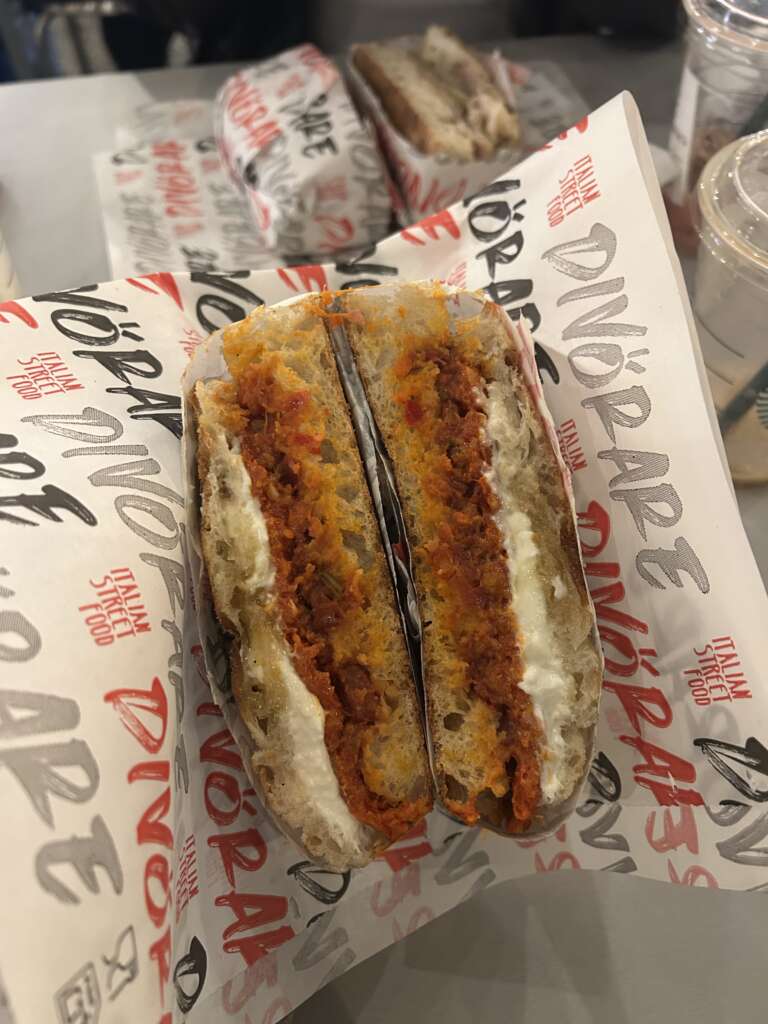
In Spain, meal times are on a completely different clock. Breakfast is light and quick – maybe toast with tomato (tostada con tomate) or a pastry. Then there’s a second breakfast around 11 am, lunch at 2 pm or 3 pm, a snack (merienda) at 6 pm and then dinner well after 9 pm. The first week, I survived mostly on snacks from Mercadona and questionable timing. But now, I love it. Meals here are social and unhurried. Lunch is sacred (especially at school), people actually sit down, talk and enjoy it – no sad sandwich is eaten at the desk. If you have a free day, or at the weekend, I suggest the menú del día – three courses and a drink for under 15 euros? I’ve never looked back.
Coffee Culture is an Art Form
Before moving here, I thought I knew about coffee. I would grab a latte on the way to work, sip it between emails, and that was that. In Spain, coffee isn’t something you take away – it is something you sit with. Literally. You rarely see anyone walking around with a to-go cup because coffee is meant to be enjoyed, not rushed. There’s also a whole vocabulary to learn. A café solo is an espresso, café con leche is the go-to classic, and cortado is a shot of espresso with just a splash of milk. The first time I tried ordering a ‘latte’, I was met with confusion and a polite correction. Now, I’ve become one of those people who has a regular spot and a usual order – and yes, the barista does know my name. Coffee time is a ritual. It’s where people catch up, gossip, or simply sit in companionable silence. It’s also a reminder that not everything has to be about productivity – sometimes, it’s enough just to be.
Siesta is Not a Myth
Before moving to Spain, I thought siesta meant that everyone literally napped in the middle of the day. While that’s not entirely true anymore – especially in bigger cities, or like us, you work in a school – the spirit of siesta is still very much there. It’s less about sleeping and more about taking a break (again, for us, it doesn’t exist, unless at the weekend). Shops close, streets quiet down, and people retreat for a long lunch or a moment of calm.
At first, it was strange to walk through a town in the middle of the afternoon and find everything closed. Coming from the UK, where something is always open, it felt inconvenient – almost frustrating. But over time, I started to appreciate it. Siesta isn’t about shutting down life; it’s about pressing pause. It’s a collective agreement that rest matters just as much as work. You see families gathering around the table, friends meeting for a long sobremesa, and even neighbours chatting on balconies, watching the world slow down.
Now, I look forward to those quiet hours. They’ve become a built-in reminder to breathe – to step away from screens, to eat slowly, to recharge before the evening. It’s one of those beautiful cultural differences that doesn’t just change your schedule; it changes your mindset. In a world that never stops, Spain still knows the value of stopping – even if just for a little while.
The Weather Will Surprise You (and Not Always in the Way You Expect)
Everyone dreams of Spain as the land of endless sunshine – and to be fair, there is plenty of it. But what no one tells you is just how extreme the weather can actually be. Summers can be brutally hot, especially inland, where even walking to the supermarket feels like a workout. Then, just when you’ve adjusted, winter hits – and with it, the bone-chilling cold of unheated apartments. I’ll never forget my first December morning, sitting at my kitchen table wearing two jumpers, my coat and clutching my coffee like a hand warmer. Central heating isn’t a given here, so you quickly learn the art of layering and the joy of a good electric blanket. Still, there’s something oddly charming about it – the way everyone huddles around radiators, or how cafes suddenly fill up with people escaping the cold outside. The weather also teaches your flexibility, and like everything else in Spain, it reminds you to adapt, slow down and take life as it comes – even if that means sweating through August and shivering through January.
Bureaucracy Will Test Your Patience (and Your Spanish Skills)
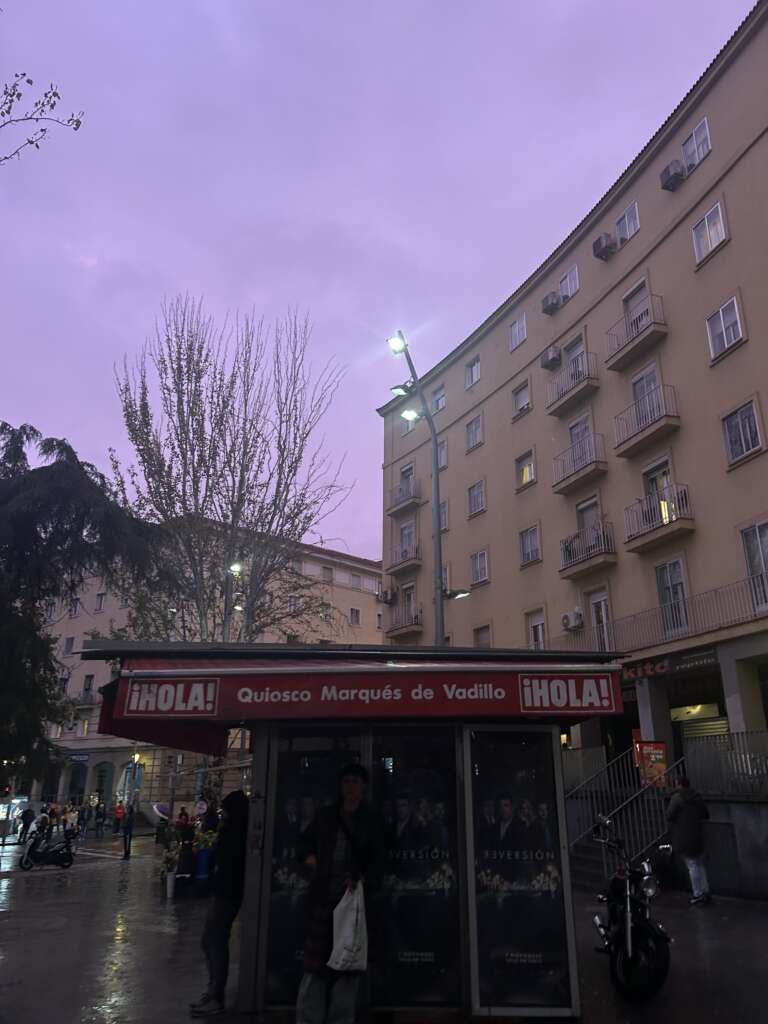
If there is one thing that truly blindsided me, it’s the paperwork. Getting a bank account, requesting your NIE, signing up for healthcare – each step has its own crazy set of rules and forms. There is a lot of waiting, photocopying and multiple trips to offices that may or may not be open when Google says they are.
At first, I found it infuriating. But now, I treat it like a cultural lesson in patience and perseverance. My best advice? Bring every document you own, make multiple copies, and bring a good book for your wait.
Sundays Are for Doing Nothing (and That’s a Good Thing)
One of the biggest shocks for me was how seriously Spain takes its Sundays. Shops close, the streets get quieter, and people disappear into long lunches or lazy strolls. Coming from a place where weekends are for errands and productivity, I didn’t know what to do with myself at first. Now, I get it. Sundays are for family, friends or doing absolutely nothing – and it’s wonderful. You learn to slow down, to rest and to live. It’s not about cramming in as much as possible; it’s about being present.
Conversations are Loud, Honest and Full of Life
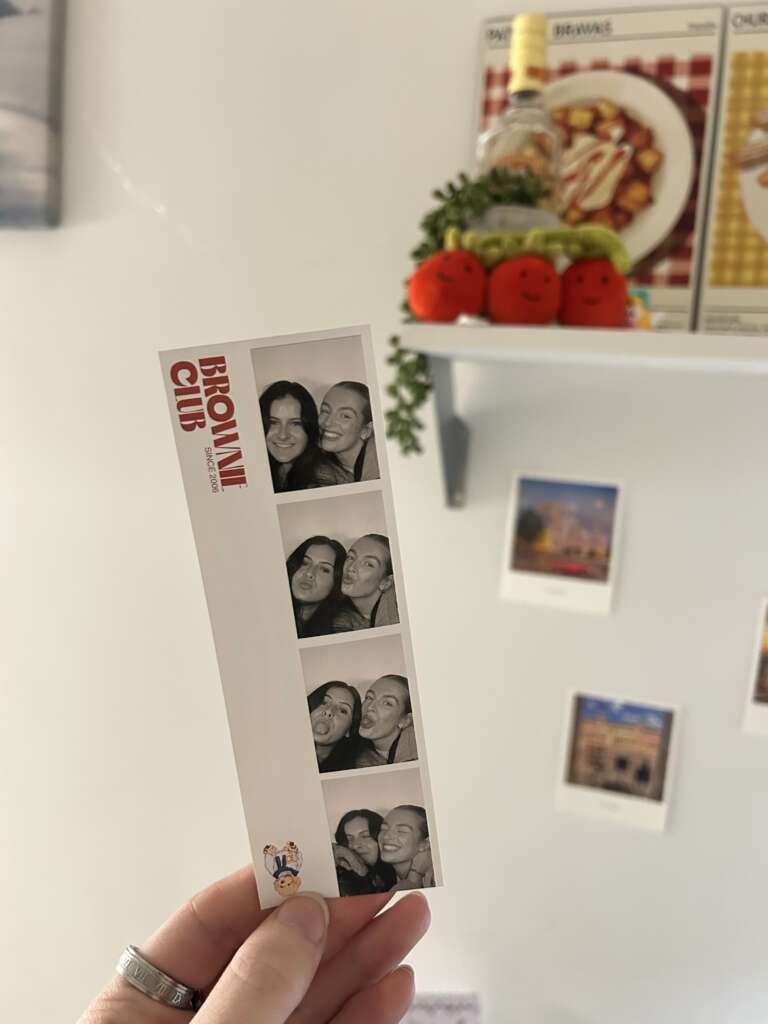
Something else I had to get used to is just how alive every conversation feels here. In the UK, we tend to speak softly and politely, while also leaving plenty of personal space. In Spain, people talk with their hands, interrupt each other and raise their voices – not in anger, but in passion. At first, I thought people were arguing when they were really just deciding where to have dinner. Now, I love the energy. There’s warmth in the noise, and it’s impossible not to get swept up in it. It’s as if every conversation is an invitation to be part of something – to connect, to share, to live out loud.
Final Thoughts: Learning to Live the Spanish Way
Living in Spain isn’t always easy. There are moments of frustration, confusion and the occasional homesick moment for a proper cup of tea. Some days, you’ll wonder why the post office closes at 2 pm, or how it’s possible that everyone else seems to understand an entirely different pace of life that you’re still trying to catch up to. But there is also joy – in the sunshine, in the food, in the easy laughter.
What I’ve learned most is that ‘culture shock’ isn’t something to avoid – it’s something to embrace. It’s the moment you finally stop comparing everything to how it’s done back home and start seeing the beauty in doing things differently. You stop rushing, you start talking more, you take that extra coffee even if it makes you late – because here, being late means you are enjoying life.
Spain teaches you to live with people, not just around them. It teaches you to sit longer at the table, to listen more, to savour rather than skim. I’ve learned that silence after lunch isn’t awkward – it’s peaceful. And that even the smallest routines, from your morning tostada to your evening paseo, can feel like a tiny celebration of daily life.
So yes, there are challenges – but they’re the kind that shape you. Spain has this way of teaching you that life doesn’t always need to be efficient to be good.
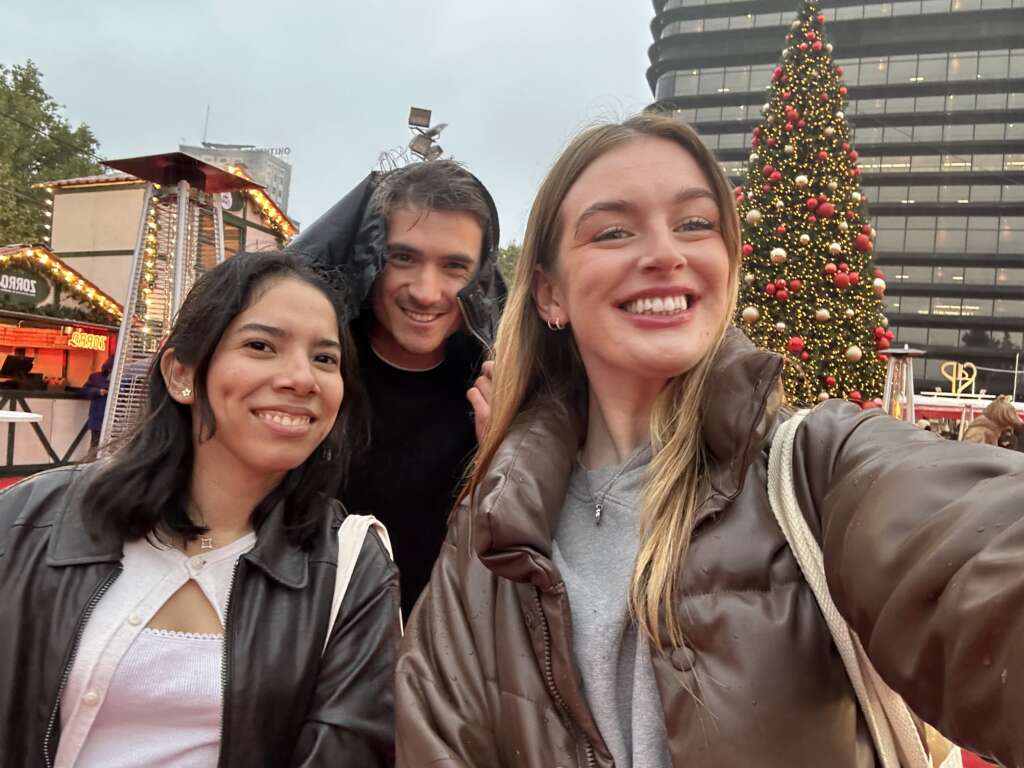
Sometimes, the best thing you can do is slow down, take a breath, and just be where you are.
5 Things I Wish I’d Known Before Moving to Spain
- Don’t fight the schedule- embrace it
- Learn some key phrases- and use them!
- Everything takes longer than you think
- Say yes more often
- Breathe and relax more – everything will work out.
Author: Ellen F.
1 Comment
Ella
Hi Ellen! Amazing tips and stories. Iv also been placed in Galapagar, and would love to connect with you! My email is ejg828@icloud.com. I look forward to speaking!